How to Handle Workplace Stress Effectively
Nowadays, workplace stress is significantly increasing among both employers and employees. It not only impacts mental and physical health but also creates many social issues. Recognizing and effectively managing work stress will promote overall well-being and productivity (Financial Times, 2024).
Recognizing the Signs of Stress
Common indicators of
workplace stress include: (The
Sun, 2024).
- Physical Symptoms:
Headaches, fatigue, and muscle tension.
- Emotional
Symptoms:
Irritability, anxiety, and feelings of overwhelm.
- Behavioral
Changes:
Procrastination, decreased productivity, and withdrawal from colleagues.
Early detection of these
signs will facilitate effective prevention effectively. (The Sun, 2024).
Strategies for Managing Workplace
Stress
Commit to Change
Setting clear boundaries and
following those boundaries can prevent overextension. Professional and personal
priorities should be clearly defined. For instance, both employer and employee
should have a proper plan for their personal and professional goals. Then, they
can adjust the limited time accordingly.
Develop Healthy Habits
Following
a proper exercise schedule, a healthy
diet, and adequate sleep is a must. Engaging
relaxation techniques like Yoga, meditation, Autogenic Training, and
visualization can further reduce stress. Exposure to nature, engaging in
outdoor activities or favorite games also contribute to improve relaxation and
reduce anxiety.

Practice Mindful
Breathing
Use
to take simple deep breathing exercises. It is an effective method for reducing
stress and promoting relaxation. There are several breathing exercises. Box breathing,
and nostril
breathing are some of them. Practicing those exercises will helping to calm the
mind and improve focus.
Engage Your Senses
Utilizing
the five senses can activate the nervous system. For example, inhaling calm
fragrances, and listening to soothing music. Use calm wall colors
for decorations. Remove unnecessary stuff from the working area.
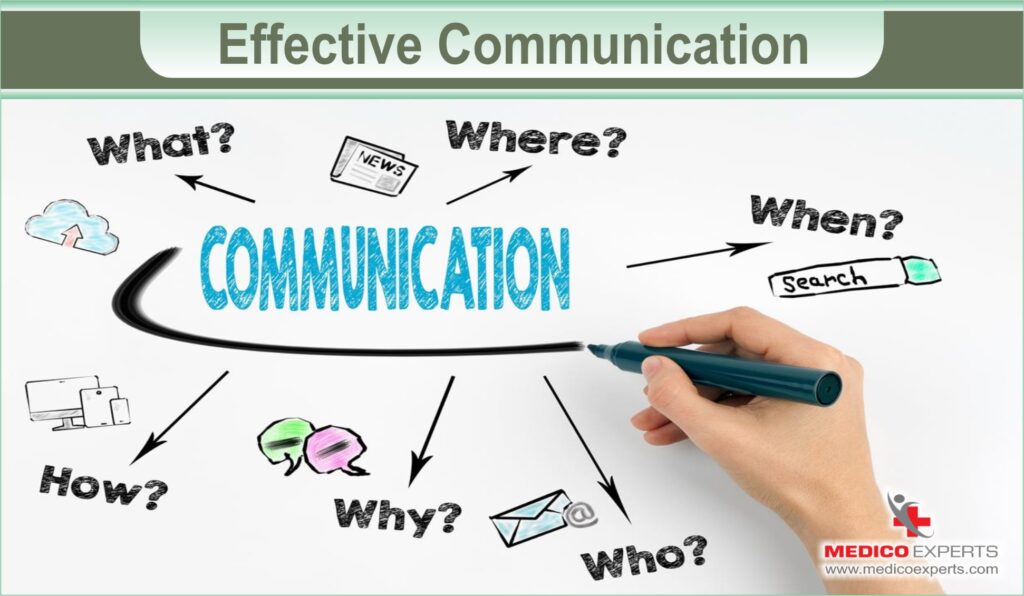
Seek Support and Communicate
Openly
communicate with peers and supervisors about workload, leads to collaborative
solutions. If you have been assigned some mandatory tasks that can’t, be done
within the deadline, better to inform to relevant supervisors. It will reduce
the unnecessary pressure. Employee Assistance programs (EAPs) is a professional
level counseling method. It will also be used as an additional support to
balance work and personal life.
Set and Maintain Boundaries
Establish
clear boundaries between work and personal life. This may
involve setting specific work hours, unplugging work-related communications
after hours, and ensuring time for personal activities and relationships. Maintaining these
boundaries helps prevent burnout and promotes a healthier work-life balance.
Conclusion
Effectively managing workplace stress involves a multifaceted approach that includes recognizing stressors, implementing healthy habits, practicing mindfulness, engaging the senses, seeking support, and maintaining clear boundaries. By proactively addressing stress, individuals can enhance their well-being and productivity in the workplace.
References:
·
Financial
Times. (2024). Working It live How to get ahead without burning out
·
The
Sun. (2024). The
4 signs you’re heading for burnout at work and 6 easy ways to avoid it after
Carol Vorderman reveals her battle


To handle workplace stress, recognize stress indicators, set clear boundaries, develop healthy habits, practice mindful breathing, engage your senses, communicate openly, and maintain work-life balance. These steps help reduce stress and improve well-being.
ReplyDeleteManaging workplace stress requires a well-rounded approach, from recognizing stressors to practicing mindfulness and setting clear boundaries. By tackling stress proactively, employees can improve their well-being and productivity.
ReplyDeleteI completely agree that managing workplace stress requires a holistic approach that addresses the physical, emotional, and mental aspects of an individual's well-being. By prioritizing stress management and implementing strategies such as mindfulness and boundary-setting, employees can not only improve their own health but also contribute to a more positive and productive work environment.
ReplyDeleteEffectively handling workplace stress involves promoting a healthy work-life balance, encouraging open communication, and providing resources like counseling and mindfulness programs to support employee well-being.
ReplyDeleteThis post offers simple and practical tips to manage stress in the workplace and maintain mental well-being. It’s a helpful read for anyone looking to stay calm and productive at work.
ReplyDeleteHandling workplace stress effectively involves managing time, maintaining a healthy work-life balance, communicating openly, focusing on physical and mental well-being, and tackling issues systematically. These strategies can boost resilience and reduce stress's impact.
ReplyDeleteYou’ve clearly explained how to handle workplace stress in your blog post. I believe that building healthy habits and practicing mindfulness can really help reduce stress at work. I appreciate the helpful insights and look forward to more posts like this!
ReplyDeleteTo handle woekforce stress effectively,prioritize self care,manage your workload ,communicate openly ,and seek support when needed.
ReplyDelete