The importance of HR in the workplace
Human
Resources (HR) is one of the key player in any organization. Even for smaller
entities that does not have a proper division, should be properly manage human
resource. Its play a fundamental role for driving the business. From the
employee hiring to employee engagement HR ensures that businesses operate
smoothly and maintain a productive, positive work environment. Here are why HR
is so essential to workplace.
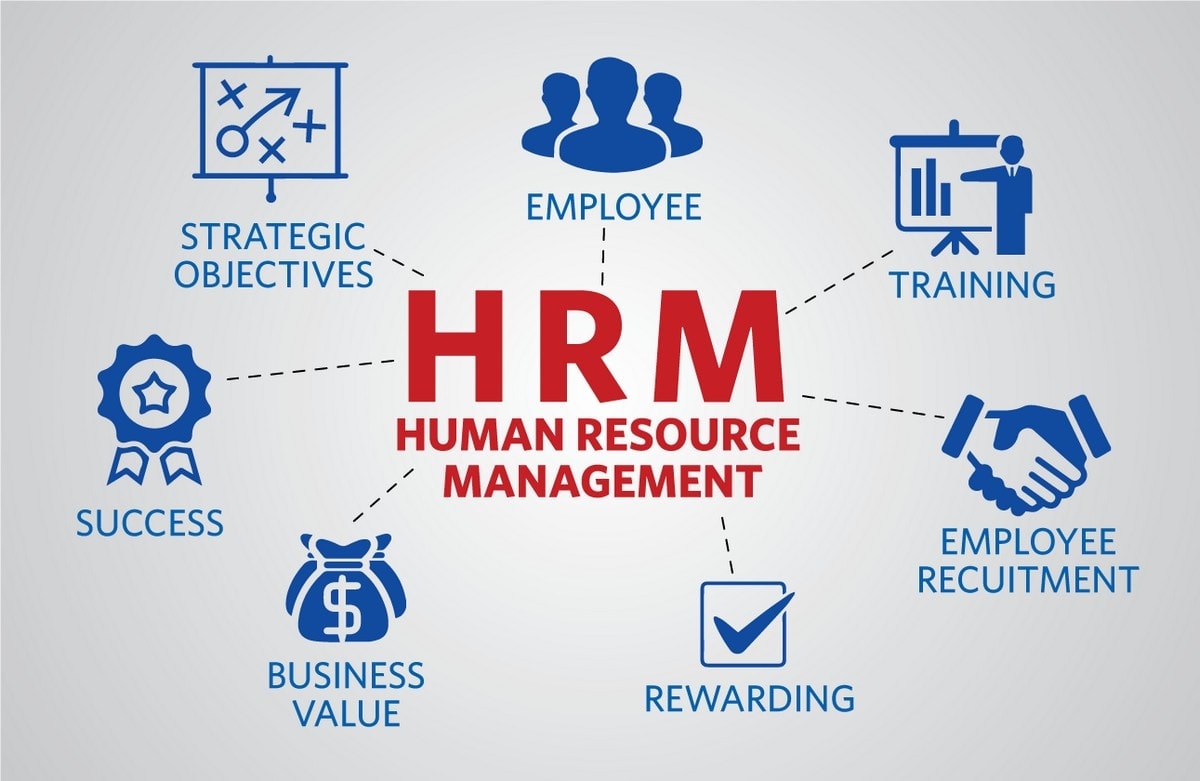
Talent Acquisition and Retention
One of the main responsibilities of HR is hiring the right talent in right
time. Proper recruitment strategies help attract qualified candidates who align
with the company’s goals and culture (Armstrong & Taylor, 2020). According
to the job type recruitment strategies should be different. Employee retention
also key factor to achieve organization goals in right time. In order to do
that HR, implement retention strategies like, career development programs,
competitive compensation, and employee recognition initiatives, reducing
turnover rates.
Employee Development and Training
Retention strategies such as career development programs, competitive
compensation, and employee recognition initiatives, reducing turnover rates.
Specially employees who are engaging in White-collar jobs always concern this.
HR department facilitate training programs, workshops, and leadership
development initiatives to enhance employees’ skills and productivity (Noe et
al., 2021).
Workplace Culture and Employee
Engagement
A positive workplace culture leads to promote job satisfaction and better
performance. HR professionals shape company culture by promoting diversity,
equity, and inclusion (DEI) policies and ensuring a supportive work environment
(Dessler, 2020). Employee engagement strategies like feedback collecting
system, open and transparent communication, taking effective actions for employees’
concerns create a positive working environment and promote employee engagement.
Legal Compliance and Ethical Standards
HR ensures that companies comply with labor laws and industry regulations.
This includes managing workplace policies related to discrimination,
harassment, wages, and employee rights (Bratton & Gold, 2017). HR also
plays a key role in enforcing ethical workplace practices, reducing legal risks,
and fostering a fair work environment.
Conflict Resolution and Employee Relations
HR act as a mediator to resolve the companies disputes. By implementing open
and transparent communication, fairness, training manages to identify and
resolve issues before they escalate, ultimately fostering a more harmonious and
productive workplace. (Robbins & Judge, 2019).
Conclusion
HR is playing a vital role in an organization. Ensuring that employees are
recruited, trained, and managed efficiently. Managing human resource is not an easy
task but if can do effectively it will lead to long term success of both the
employee and employer.
References
·
Armstrong, M., & Taylor, S. (2020). Armstrong's
Handbook of Human Resource Management Practice. Kogan Page.
·
Bratton, J., & Gold, J. (2017). Human
Resource Management: Theory and Practice. Palgrave Macmillan.
·
Dessler, G. (2020). Human Resource
Management. Pearson.
·
Noe, R. A., Hollenbeck, J. R., Gerhart, B.,
& Wright, P. M. (2021). Fundamentals of Human Resource Management.
McGraw-Hill.
·
Robbins, S. P., & Judge, T. A. (2019). Organizational
Behavior. Pearson.


Human Resources (HR) plays a vital role in organizations by managing talent acquisition, fostering employee development, shaping workplace culture, ensuring legal compliance, and resolving conflicts. Effective HR practices enhance productivity, job satisfaction, and organizational success.
ReplyDeleteHuman resources (HR) are essential in the workplace. They manage employee experiences, handle hiring, and provide training. HR creates fair policies, addresses employee concerns, and helps resolve conflicts. This enhances productivity and morale, ultimately contributing to the organization's success.
ReplyDeleteHR plays a crucial role in an organization by ensuring efficient recruitment, training, and management of employees. While it's a challenging task, effective HR practices lead to long-term success for both employees and the organization.
ReplyDeleteHR is vital in the workplace, as it ensures effective talent management, fosters a positive culture, and supports employee development, all while aligning human resources strategies with organizational goals.
ReplyDeleteThis blog nicely explains how HR is essential for managing people, shaping workplace culture, and ensuring smooth operations. It highlights HR's key roles in hiring, development, and employee relations.
ReplyDeleteHR plays a Vitol role in the workplace by managing employee relations, ensuring compliance with labor laws, supporting professional development, and fostering a positive work environment. They assist to align organizational goals with employee needs, fostering engagement and productivity.
ReplyDeleteYou’ve nicely explained the importance of HR in the workplace in your blog post. I believe HR plays a key role in making sure employees are properly hired, trained, and managed. I really appreciate the detailed insights and look forward to more posts like this!
ReplyDelete